
How to perform it
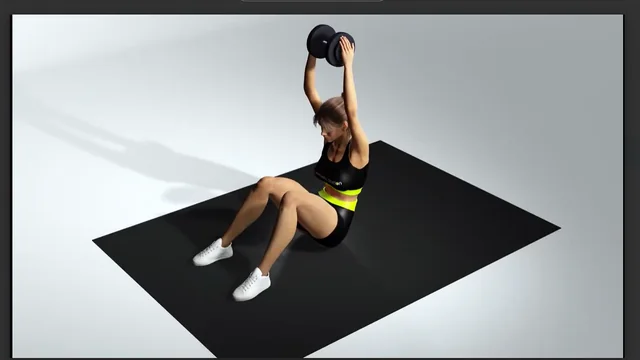
- Lie on the mat with your knees bent, feet flat on the floor, and the weight held with both hands in front of your chest.
- To maintain proper technique, keep your abs engaged and your lower back stable before starting the movement.
- As you move upward, raise your torso in a controlled manner, keeping the weight close to your chest throughout the ascent.
- Lift your upper body to a comfortable height, focusing on contracting your abs.
- Avoid pulling on your neck or using excessive arm momentum to perform the movement.
- At the top, briefly hold the abdominal contraction.
- Lower your torso slowly, controlling the return to the starting position.
- Exhale as you rise and inhale as you lower.
What you should feel
Greater abdominal activation, with increased muscular demand due to the added weight. The effort should remain controlled through the core, without pain in the neck, shoulders, or lower back.
Groups mentioned in the description
Exercise questions
Lie on the mat with your knees bent, feet flat on the floor, and the weight held with both hands in front of your chest. To maintain proper technique, keep your abs engaged and your lower back stable before starting the movement. As you move upward, raise your torso in a controlled manner, keeping the weight close to your chest throughout the ascent. Lift your upper body to a comfortable height, focusing on contracting your abs. Avoid pulling on your neck or using excessive arm momentum to perform the movement. At the top, briefly hold the abdominal contraction. Lower your torso slowly, controlling the return to the starting position. Exhale as you rise and inhale as you lower.
Weighted abdominal variation that increases the demand on the abs while controlling the torso.
Greater abdominal activation, with increased muscular demand due to the added weight. The effort should remain controlled through the core, without pain in the neck, shoulders, or lower back.
The guidance above organizes the content from the Athletic Station exercise base. Adapt the movement to your individual condition and stop if you experience pain.