
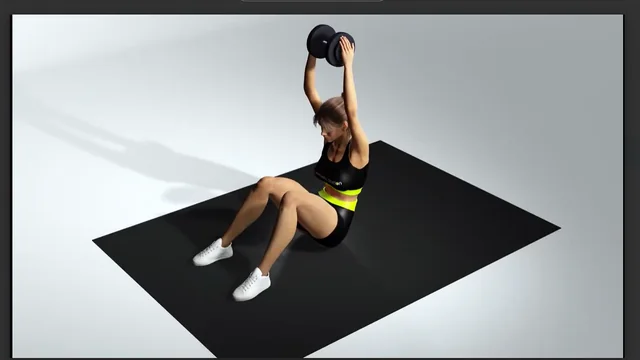
How to perform it
- Stand with your feet shoulder-width apart, spine upright, and abs engaged.
- Position your arms in front of your body with your elbows bent and your hands together or close to each other.
- Rotate your torso toward one side with control.
- Keep your hips stable and focus the movement on torso rotation.
- Return to the center with control and repeat to the opposite side.
- Continue alternating sides at a steady rhythm without using excessive momentum.
- Keep your shoulders relaxed and allow your gaze to follow the direction of the rotation slightly.
- Exhale during the rotation and inhale as you return to the center.
What you should feel
Work in the abs, especially the obliques, with the core helping stabilize the torso. The effort should remain controlled through mobility and abdominal contraction, without pain in the lower back, hips, or shoulders.
Groups mentioned in the description
Exercise questions
Stand with your feet shoulder-width apart, spine upright, and abs engaged. Position your arms in front of your body with your elbows bent and your hands together or close to each other. Rotate your torso toward one side with control. Keep your hips stable and focus the movement on torso rotation. Return to the center with control and repeat to the opposite side. Continue alternating sides at a steady rhythm without using excessive momentum. Keep your shoulders relaxed and allow your gaze to follow the direction of the rotation slightly. Exhale during the rotation and inhale as you return to the center.
Controlled torso rotation that works the abs while preserving hip and spinal alignment.
Work in the abs, especially the obliques, with the core helping stabilize the torso. The effort should remain controlled through mobility and abdominal contraction, without pain in the lower back, hips, or shoulders.
The guidance above organizes the content from the Athletic Station exercise base. Adapt the movement to your individual condition and stop if you experience pain.