
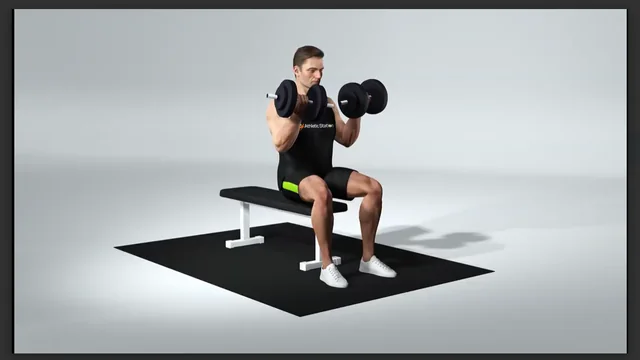
How to perform it
- Stand with your feet shoulder-width apart, knees slightly bent, and a dumbbell in each hand using a neutral grip.
- Lean your torso forward while keeping your spine aligned, abs engaged, and neck neutral.
- Let your arms extend below your torso with your palms facing each other.
- Pull the dumbbells toward the sides of your torso while keeping your elbows close to your body.
- Drive your elbows backward with control, bringing the dumbbells toward the abdomen or waistline.
- Keep your shoulders stable and avoid using torso momentum during the pull.
- Lower the dumbbells slowly to the starting position, controlling the entire return phase.
- Exhale as you pull and inhale as you lower.
What you should feel
Work in the back, especially the lats and mid-back, with the biceps, forearms, and core assisting with stabilization. The effort should remain controlled in the upper body, without pain in the shoulders, wrists, elbows, neck, or lower back.
Groups mentioned in the description
Exercise questions
Stand with your feet shoulder-width apart, knees slightly bent, and a dumbbell in each hand using a neutral grip. Lean your torso forward while keeping your spine aligned, abs engaged, and neck neutral. Let your arms extend below your torso with your palms facing each other. Pull the dumbbells toward the sides of your torso while keeping your elbows close to your body. Drive your elbows backward with control, bringing the dumbbells toward the abdomen or waistline. Keep your shoulders stable and avoid using torso momentum during the pull. Lower the dumbbells slowly to the starting position, controlling the entire return phase. Exhale as you pull and inhale as you lower.
Horizontal pulling movement that works the core, biceps, back, and forearms while driving the elbows backward with control of the torso and shoulder blades.
Work in the back, especially the lats and mid-back, with the biceps, forearms, and core assisting with stabilization. The effort should remain controlled in the upper body, without pain in the shoulders, wrists, elbows, neck, or lower back.
The guidance above organizes the content from the Athletic Station exercise base. Adapt the movement to your individual condition and stop if you experience pain.