
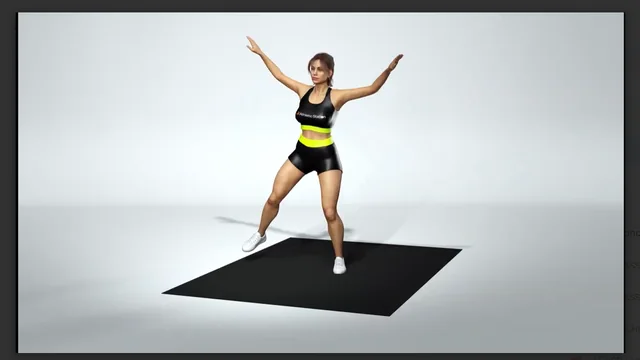
How to perform it
- Stand upright with your abs engaged and your feet hip-width apart.
- Step one leg forward into a lunge position.
- Bend your knees with control, keeping your front knee aligned with your foot and your back knee pointing toward the floor.
- Push forcefully into the floor and perform a vertical jump.
- Switch the position of your legs in the air so you land with the opposite leg forward.
- Land softly with your knees slightly bent, absorbing the impact with control.
- Keep your torso stable and avoid letting your knees collapse inward during the landing.
- Exhale during the jump and inhale as you lower and prepare for the next repetition.
What you should feel
Greater activation of the quadriceps, glutes, calves, and core, with high cardiovascular demand. The explosive effort should remain controlled through the legs and balance, without pain in the knees, ankles, or lower back.
Groups mentioned in the description
Exercise questions
Stand upright with your abs engaged and your feet hip-width apart. Step one leg forward into a lunge position. Bend your knees with control, keeping your front knee aligned with your foot and your back knee pointing toward the floor. Push forcefully into the floor and perform a vertical jump. Switch the position of your legs in the air so you land with the opposite leg forward. Land softly with your knees slightly bent, absorbing the impact with control. Keep your torso stable and avoid letting your knees collapse inward during the landing. Exhale during the jump and inhale as you lower and prepare for the next repetition.
Dynamic lunge variation to work the core, quadriceps, glutes, and calves while challenging coordination, balance, and control during the support switch.
Greater activation of the quadriceps, glutes, calves, and core, with high cardiovascular demand. The explosive effort should remain controlled through the legs and balance, without pain in the knees, ankles, or lower back.
The guidance above organizes the content from the Athletic Station exercise base. Adapt the movement to your individual condition and stop if you experience pain.