
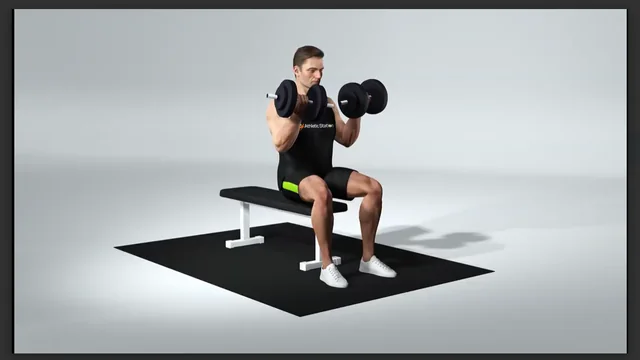
How to perform it
- Sit at the cable station with your spine upright, feet firmly on the floor, and abs engaged.
- Hold the handle with your left hand, starting with your arm extended above shoulder level.
- Place your right hand in a comfortable position to help stabilize your torso.
- Pull the handle downward with control, driving your left elbow toward the side of your body.
- Focus the effort on your back and avoid excessively leaning your torso or using momentum.
- Keep your chest open and shoulders stable throughout the movement.
- Return slowly to the starting position, extending your arm with control without losing muscular tension.
- Exhale as you pull and inhale as you return, maintaining a steady rhythm from start to finish.
What you should feel
Greater back activation, especially in the latissimus dorsi, with involvement of the biceps and shoulder. The contraction should remain controlled through the upper torso, without pain in the shoulder, neck, or lower back.
Groups mentioned in the description
Exercise questions
Sit at the cable station with your spine upright, feet firmly on the floor, and abs engaged. Hold the handle with your left hand, starting with your arm extended above shoulder level. Place your right hand in a comfortable position to help stabilize your torso. Pull the handle downward with control, driving your left elbow toward the side of your body. Focus the effort on your back and avoid excessively leaning your torso or using momentum. Keep your chest open and shoulders stable throughout the movement. Return slowly to the starting position, extending your arm with control without losing muscular tension. Exhale as you pull and inhale as you return, maintaining a steady rhythm from start to finish.
Vertical pulling movement that works the biceps, shoulders, and back while keeping the shoulders stable and controlling the return of the load.
Greater back activation, especially in the latissimus dorsi, with involvement of the biceps and shoulder. The contraction should remain controlled through the upper torso, without pain in the shoulder, neck, or lower back.
The guidance above organizes the content from the Athletic Station exercise base. Adapt the movement to your individual condition and stop if you experience pain.