
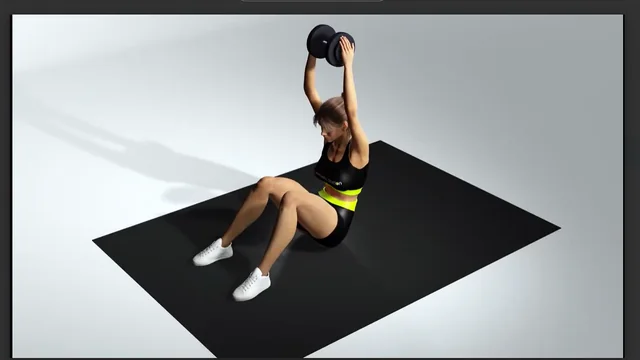
How to perform it
- Lie on your back on a mat with your hands behind your head and your elbows open.
- Lift your torso slightly and keep your abs engaged throughout the movement.
- Keep one leg bent toward your torso while the other remains extended or partially extended in front.
- Bring your torso toward the raised knee with a slight abdominal rotation.
- Return to center with control and repeat on the opposite side.
- Continue alternating sides without pulling your neck with your hands or using momentum.
- Exhale as you bring your torso toward the knee and inhale as you return.
- Maintain a steady pace and controlled movement from start to finish.
What you should feel
Contraction of the abs, especially the lateral and central regions. You should feel core activation while alternating sides, without pain in the neck or lower back.
Groups mentioned in the description
Exercise questions
Lie on your back on a mat with your hands behind your head and your elbows open. Lift your torso slightly and keep your abs engaged throughout the movement. Keep one leg bent toward your torso while the other remains extended or partially extended in front. Bring your torso toward the raised knee with a slight abdominal rotation. Return to center with control and repeat on the opposite side. Continue alternating sides without pulling your neck with your hands or using momentum. Exhale as you bring your torso toward the knee and inhale as you return. Maintain a steady pace and controlled movement from start to finish.
Alternating or rotational abdominal movement to work the abs while keeping the torso controlled.
Contraction of the abs, especially the lateral and central regions. You should feel core activation while alternating sides, without pain in the neck or lower back.
The guidance above organizes the content from the Athletic Station exercise base. Adapt the movement to your individual condition and stop if you experience pain.