
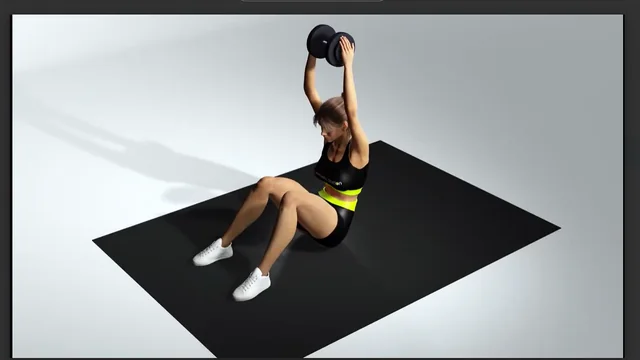
How to perform it
- Sit on the bench with your spine upright, feet firmly on the floor, and a dumbbell in each hand at your sides.
- Keep your abs active and shoulders stable to reduce torso swinging.
- Raise one dumbbell in front of you to approximately shoulder height, keeping the elbow slightly bent and the wrist aligned.
- Lower the weight with control and repeat with the opposite arm, alternating sides throughout the set.
- Do not lean backward or use momentum to move the weight.
- Exhale as you raise the dumbbell and inhale as you return.
What you should feel
Work mainly in the front of the shoulders, with the core helping maintain a stable seated posture.
Groups mentioned in the description
Exercise questions
Sit on the bench with your spine upright, feet firmly on the floor, and a dumbbell in each hand at your sides. Keep your abs active and shoulders stable to reduce torso swinging. Raise one dumbbell in front of you to approximately shoulder height, keeping the elbow slightly bent and the wrist aligned. Lower the weight with control and repeat with the opposite arm, alternating sides throughout the set. Do not lean backward or use momentum to move the weight. Exhale as you raise the dumbbell and inhale as you return.
Seated front arm raise that works the core and shoulders while controlling the load and minimizing torso compensation.
Work mainly in the front of the shoulders, with the core helping maintain a stable seated posture.
The guidance above organizes the content from the Athletic Station exercise base. Adapt the movement to your individual condition and stop if you experience pain.