
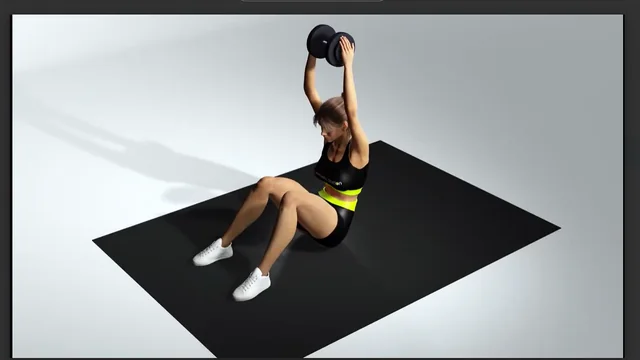
How to perform it
- Lie face down on the mat and place your forearms on the floor with your elbows aligned below your shoulders.
- Extend your legs behind you and support your body on the balls of your feet.
- From this position, raise your body and maintain a straight line from your head to your heels.
- Engage your abs, glutes, and legs to stabilize your entire body throughout the exercise.
- Keep your neck neutral and your gaze directed toward the floor.
- Avoid raising your hips too high or allowing your lower back to sag.
- Hold the position for the prescribed time while breathing continuously and under control.
- Exit the position slowly and in a controlled manner when the time is complete.
What you should feel
Greater core activation, with the shoulders, glutes, and legs contributing to stabilization. You should feel sustained muscular effort without pain in the lower back, shoulders, or neck.
Groups mentioned in the description
Exercise questions
Lie face down on the mat and place your forearms on the floor with your elbows aligned below your shoulders. Extend your legs behind you and support your body on the balls of your feet. From this position, raise your body and maintain a straight line from your head to your heels. Engage your abs, glutes, and legs to stabilize your entire body throughout the exercise. Keep your neck neutral and your gaze directed toward the floor. Avoid raising your hips too high or allowing your lower back to sag. Hold the position for the prescribed time while breathing continuously and under control. Exit the position slowly and in a controlled manner when the time is complete.
Isometric body hold that works the core, glutes, and shoulders while maintaining alignment and stability without movement.
Greater core activation, with the shoulders, glutes, and legs contributing to stabilization. You should feel sustained muscular effort without pain in the lower back, shoulders, or neck.
The guidance above organizes the content from the Athletic Station exercise base. Adapt the movement to your individual condition and stop if you experience pain.